






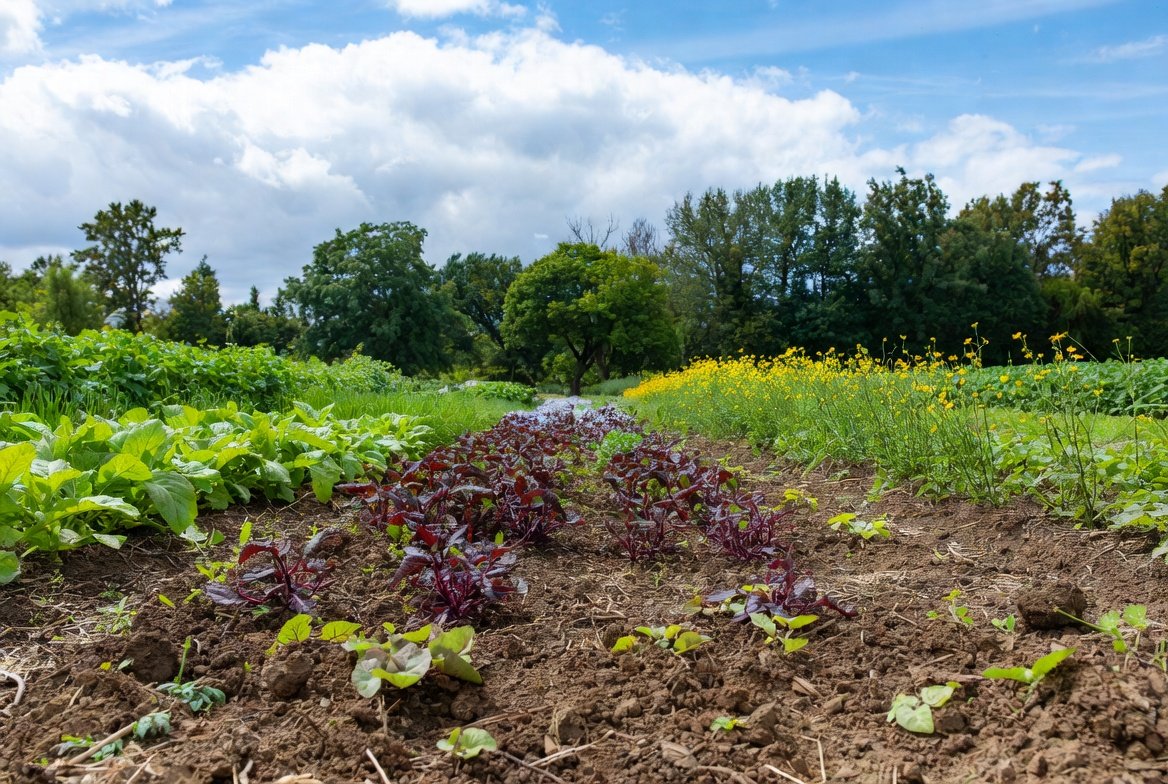
My Journey in Organic Crop Production and Certification
Hey there, fellow earth stewards and curious readers! I’m Catherine Michelle, a seasoned organic certification specialist with over two decades in the trenches—literally. I’ve inspected countless farms, from sprawling Midwest cornfields to cozy California orchards, helping growers navigate the path to that coveted USDA Organic seal. Back in the early 2000s, I started as a wide-eyed inspector for a regional certifying agency, tromping through mud with a clipboard and a passion for sustainable agriculture. Little did I know, those experiences would shape my career, witnessing firsthand how organic practices can transform depleted land into thriving ecosystems. In this article, I’ll share the ins and outs of organic crop production and certification, blending hard facts with stories from my boots-on-the-ground days. Whether you’re a farmer eyeing the switch, a consumer decoding labels, or just someone who cares about what ends up on your plate, let’s dig in. We’ll cover the history, methods, certification hurdles, perks, pitfalls, emerging trends, and where it’s all headed. Grab a cup of fair-trade coffee, and let’s get growing!
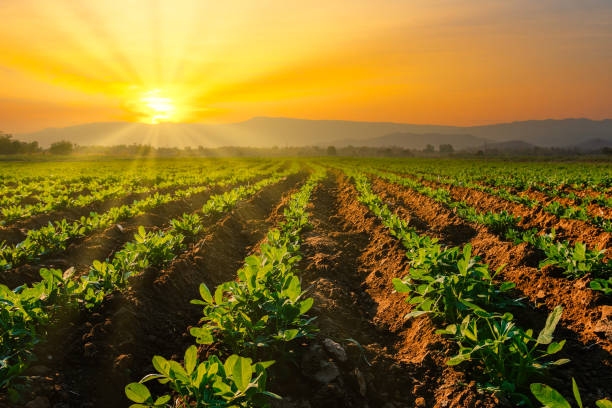
A Rooted Legacy: The History of Organic Crop Production
Organic farming isn’t some trendy fad—it’s a return to our agricultural roots, born from rebellion against industrial excess. Picture this: It’s the early 1900s, and pioneers like Sir Albert Howard and Rudolf Steiner are sounding alarms about soil degradation from chemical-heavy farming. Howard, inspired by traditional Indian methods during his time in the British Empire, emphasized composting and natural fertility in his 1940 book An Agricultural Testament. Meanwhile, Steiner’s biodynamic approach treated farms as living organisms, incorporating lunar cycles and herbal preparations.
Fast-forward to the 1940s, when the “organic movement” truly sprouted as a counter to synthetic fertilizers and pesticides post-World War II. J.I. Rodale, founder of Rodale Institute, became a vocal advocate, publishing Organic Gardening and Farming magazine and experimenting on his Pennsylvania farm. I remember visiting Rodale’s grounds early in my career—those fields hummed with life, a stark contrast to the sterile conventional plots I’d seen.
In the U.S., organic practices date back to the late 1940s, but it wasn’t until the 1970s counterculture wave that it gained momentum. Think hippie communes and Rachel Carson’s Silent Spring exposing DDT horrors. By the 1990s, fragmented state standards led to the Organic Foods Production Act of 1990, culminating in the USDA’s National Organic Program (NOP) in 2002. Globally, Indigenous traditions like the Three Sisters planting (corn, beans, squash) influenced polyculture techniques. One of my first inspections was a Native American-led farm in New Mexico, where ancient wisdom met modern regs—it was humbling.
From a niche protest to a $63 billion industry today, organic’s history is one of resilience. But it’s not just nostalgia; it’s about reclaiming harmony with nature, something I’ve seen revive farms on the brink.
Hands in the Dirt: Key Methods of Organic Crop Production
Organic crop production is all about working with nature, not against it. No synthetic pesticides, GMOs, or chemical fertilizers—instead, we harness biology, ecology, and good old-fashioned ingenuity.
Crop rotation is foundational: Alternating crops disrupts pest cycles, fixes nitrogen (thanks, legumes!), and prevents soil exhaustion. I once advised a soybean farmer in Iowa to rotate with cover crops like clover; within two years, his yields stabilized without a drop of Roundup.
Composting and green manuring build soil organic matter. We turn kitchen scraps, manure, and plant residues into black gold, feeding microbes that make nutrients available. Biological pest control? Enter beneficial insects like ladybugs devouring aphids, or neem oil sprays. Mulching suppresses weeds and conserves water, while polyculture—mixing crops—boosts biodiversity.
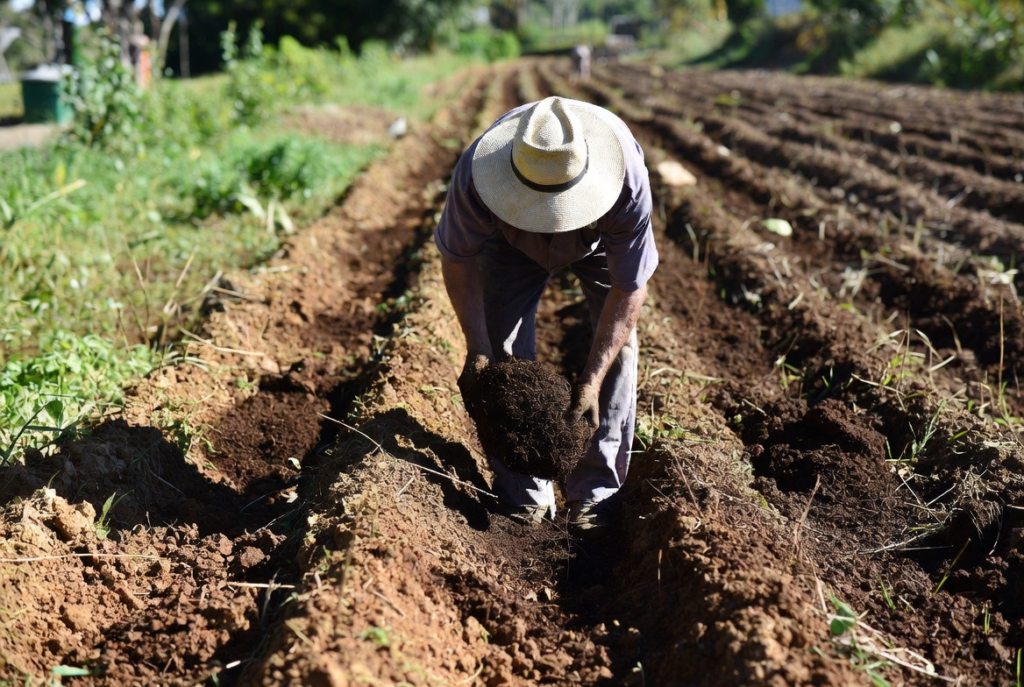
Advanced methods include agroforestry (trees among crops) and vermicomposting with worms. On a personal note, during a tough drought in 2012, I helped a California almond grower implement drip irrigation tied to soil sensors—organic-approved tech that saved his harvest. These practices aren’t easy; they demand observation and adaptation. But when you see a field teeming with pollinators, it’s worth every sweat-drenched day.
Soil health is king: We aim for biological activity, structure, and fertility through minimal tillage to preserve mycorrhizal fungi. Forbidden are sewage sludge, irradiation, and genetic engineering. It’s holistic—treating the farm as an ecosystem. I’ve lost count of the “aha” moments when farmers switch and watch their land rebound.
The Certification Maze
Ah, certification—the bureaucratic beast I know all too well. As a specialist, I’ve guided hundreds through it, and trust me, it’s rigorous but rewarding. The USDA NOP sets the gold standard: Products labeled “organic” must meet federal rules.
Step one: Develop an Organic System Plan (OSP). This blueprint details your practices, from seed sources to pest management. I always tell clients: Be thorough—it’s your roadmap.
Next, implement and submit to a USDA-accredited certifier. Then comes the inspection: An on-site audit where we poke, prod, and verify records. I recall a nerve-wracking first inspection for a newbie veggie grower; we found a minor buffer zone issue, but fixed it on the spot.
Post-inspection, the certifier reviews and issues (or denies) certification. Annual renewals follow, with surprise checks possible. Costs? $500–$5,000 yearly, depending on scale. Labels vary: “100% Organic,” “Organic” (95%+), “Made with Organic” (70%+).
Challenges arise with record-keeping—farmers hate paperwork, but it’s crucial for traceability. Internationally, equivalency agreements with EU or Canada ease exports. In my experience, the process weeds out the uncommitted, ensuring integrity. It’s not just a stamp; it’s a commitment to transparency.
The Benefits of Organic Crop Production
Why go organic? The payoffs are multifaceted, touching health, environment, and economy. Environmentally, it slashes pollution: No synthetics mean cleaner water and soil. Biodiversity thrives—organic farms host 30% more species. Soil health improves with higher organic matter, sequestering carbon to fight climate change.
Health-wise, reduced pesticide residues benefit consumers and workers. Studies show organic produce packs more antioxidants and nutrients. I switched my family to organic after seeing farmworkers’ health issues firsthand—it’s personal.
Economically, premiums (20–30% higher prices) boost farmer incomes, and diverse systems build resilience. Community benefits too: Local markets flourish. During the 2008 recession, organic held strong while conventional faltered. Overall, it’s sustainable abundance—I’ve seen farms double profits post-certification.
Challenges in Organic Crop Production
Organic isn’t all sunshine; it has thorns. Yields can dip 20–25% without chemicals, especially transitioning. Pests and weeds demand labor-intensive solutions—hand-weeding ain’t fun.
Nutrient management is tricky: Organic fertilizers release slowly, risking deficiencies. Certification costs and paperwork burden small farms. Market access? Limited infrastructure for organic supply chains.
Climate variability hits harder without quick fixes. In 2019, I consulted on a flooded organic grain farm—recovery took seasons. Fraud erodes trust, hence strict enforcement. Research gaps persist; conventional gets more funding. But with innovation, these are surmountable—I’ve helped many pivot successfully.
Future Trends in Organic Agriculture
The organic horizon is bright, fueled by tech and demand. Regenerative practices like agroforestry will mainstream, enhancing carbon sequestration. AI and drones for precision monitoring—organic-approved, of course.
Consumer trends push for transparency: Blockchain traceability on the rise. Global growth, especially in Asia and Latin America, hits new highs. Policy shifts, like EU’s 25% organic land goal by 2030, inspire.
[Image: Modern organic farm with drone overhead and diverse plantings]
Biofortification and climate-resilient varieties emerge. In my crystal ball, urban vertical farms go organic. Challenges like funding persist, but optimism reigns—I’ve mentored young innovators blending tradition with tech.
Why Organic Matters Now More Than Ever
As I reflect on my journey—from that first muddy inspection to advising global operations—organic crop production and certification embody hope. It’s not perfect, but it’s a path to healthier food, planets, and communities. If you’re inspired, start small: Support local organics, or if farming, reach for certification. The soil thanks you. Let’s keep the conversation growing—what’s your take?

0 Comments